
GITA-Africa Spreads Its Wings Beyond Uganda
For GITA-Africa, the journey beyond Uganda did not begin in Zanzibar. It started with conversations. Over the past months, we have deliberately been creating relationships across the region, participating in tourism conversations, joining webinars, attending conferences and engaging young people and tourism stakeholders beyond our borders. Our engagement in Arusha in early June was one of the early steps in this journey, creating an opportunity for us to connect with other young tourism actors and begin conversations around what is possible when African youth work together.
This was followed by continued online engagements, knowledge-sharing sessions and masterclasses. Aimed at equipping young people with practical skills in tourism, digital marketing, storytelling and entrepreneurship. These engagements have continued to shape GITA-Africa's thinking. If we want young people to participate meaningfully in tourism, we cannot only talk about opportunities. We have to help them acquire the skills, networks and exposure to actually take advantage of them.
That thinking informed our decision to travel to Zanzibar for the Zanzibar Youth International Tourism Summit (ZIYTS).
We went to Zanzibar with a purpose
The journey itself was not a simple one. We travelled from Uganda through Nairobi, Namanga and Dar es Salaam before finally making our way to Zanzibar. It was a journey of endurance, but it was also intentional.
We were going to Zanzibar as partners of the summit, but our purpose went beyond attending an event. We wanted to understand the destination, meet its people, connect with tourism and investment stakeholders, explore opportunities for young people and, most importantly, begin looking at how Uganda and Zanzibar could work together.
Every opportunity we got, we tried to turn it into a conversation.
We explored Stone Town and the Hakuna Matata Spice Farm. Learning from Zanzibar's tourism experiences and seeing how culture, heritage, food and storytelling are packaged for visitors. The day ended with a cultural dinner where delegates from different countries showed up in their cultural attire, shared stories and celebrated the diversity that makes African tourism so rich. For the Ugandan delegation, this was also an opportunity to tell our own story. We did not wait for a formal stage to promote Uganda. We spoke to people wherever we could, asked tourists whether they had visited Uganda, shared our experiences and created curiosity around the destination.

Stone Town Tour
Taking Uganda to the summit
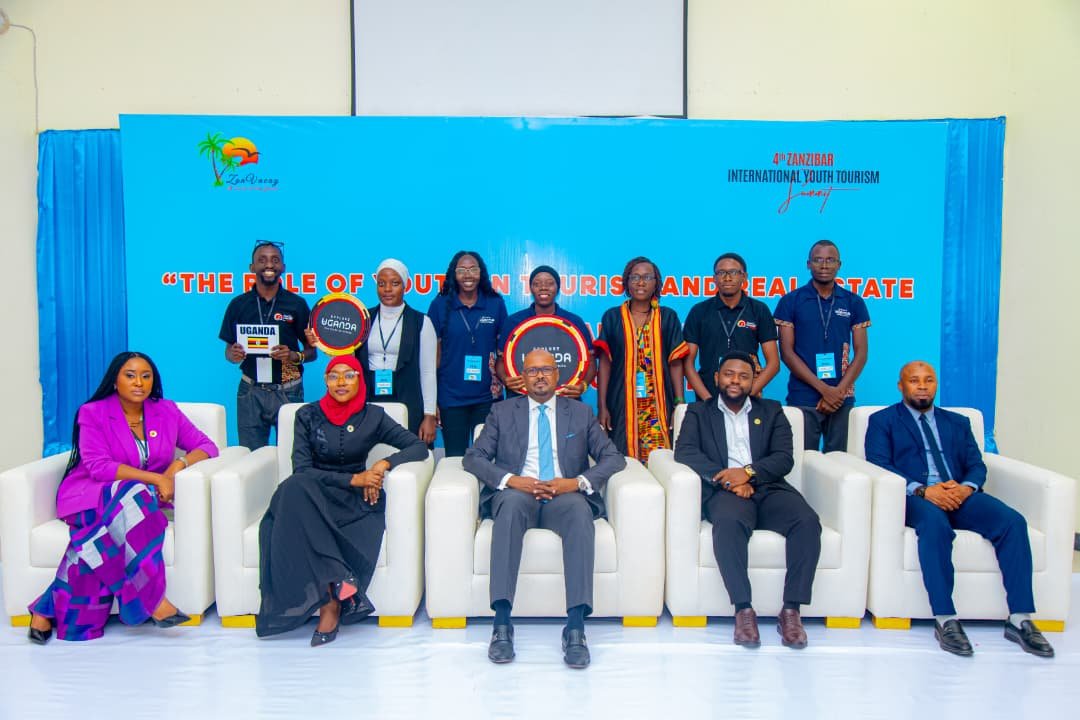
The summit brought together young tourism enthusiasts, professionals, government representatives, tourism stakeholders and development actors from across Africa. For our CEO, one of the highlights was being part of the panel discussions. She had the opportunity to speak about inclusivity in tourism, particularly the need to ensure that tourism experiences are accessible to people who are often left out of the conversation.
One of the areas I highlighted was the deployment of sign language tour guides, because inclusion should not stop at allowing people to visit destinations. It should also mean ensuring that people with different abilities can experience, understand and participate in tourism.
She also used the platform to call for stronger government support for young people in tourism. Young people are already interested, innovative and willing to participate, but they need platforms, exposure, mentorship, skills and opportunities that allow them to move from potential to actual contribution.
The discussions also gave us an opportunity to speak about what is happening in Uganda, the work being done by young tourism actors and the opportunities that exist within our tourism ecosystem. We were proud to represent Uganda and grateful for the support we have continued to receive from institutions such as the Uganda Tourism Board and Uganda Wildlife Authority.

Our CEO on a panel discussion
Beyond the summit
Perhaps the most valuable part of the Zanzibar journey happened outside the formal program. We met people who could help us understand Zanzibar from different angles, tourism, investment, youth empowerment, education, government and women-led initiatives. We engaged with the leadership of the Zanzibar Youth International Tourism Summit and the Africa Tourism Board. Discussing possibilities for connecting Ugandan and Zanzibari youth and creating platforms where young people can exchange knowledge, opportunities and experiences.
We met the CEO of Zanzibar Association of Tour Operators and discussed possible areas of collaboration, including familiarization trips, joint events, youth empowerment, training and opportunities around AFCON. We also engaged with the Zanzibar Association of Tourism Investors, opening conversations around connecting tourism stakeholders and associations across the two countries. The discussions also pointed to opportunities beyond tourism, particularly in investment and business.
Our engagements also took us to Ma'a salaama Boutique Resort and Hospitality Training Institute in Jambiani. Where we met students and explored opportunities around skills development, practical learning and institutional collaboration. We also met the Acting Manager responsible for MICE under the Tanzania Tourist Board. We discussed possible collaboration around AFCON and received guidance on how we could continue engaging with the Tanzanian tourism ecosystem.
We also connected with individuals working in women’s empowerment, creative industries, conservation, investment and international development. Some of these relationships began as professional conversations, others simply began through friendship and shared interests. But each reminded us of how interconnected Africa's tourism ecosystem really is.
One relationship that stood out was with Mr. Suwedi, CEO of TANZENJ Investment Limited. Having worked in Uganda for several years and with extensive international and diplomatic experience, he understood the connection between the two countries in a very personal way. He became more than a professional contact during the trip. He helped facilitate introductions, scheduled meetings, opened doors and continued to encourage us to follow up on the opportunities we had identified.
