UWA Reflects on Open Park Days for a Better Mountain Gorilla Festival.
Uganda’s push to grow domestic tourism is taking a more deliberate turn, with the Uganda Wildlife Authority calling on the private sector to invest in affordable accommodation, transport and other tourism facilities that can make it easier for Ugandans to experience their own country.
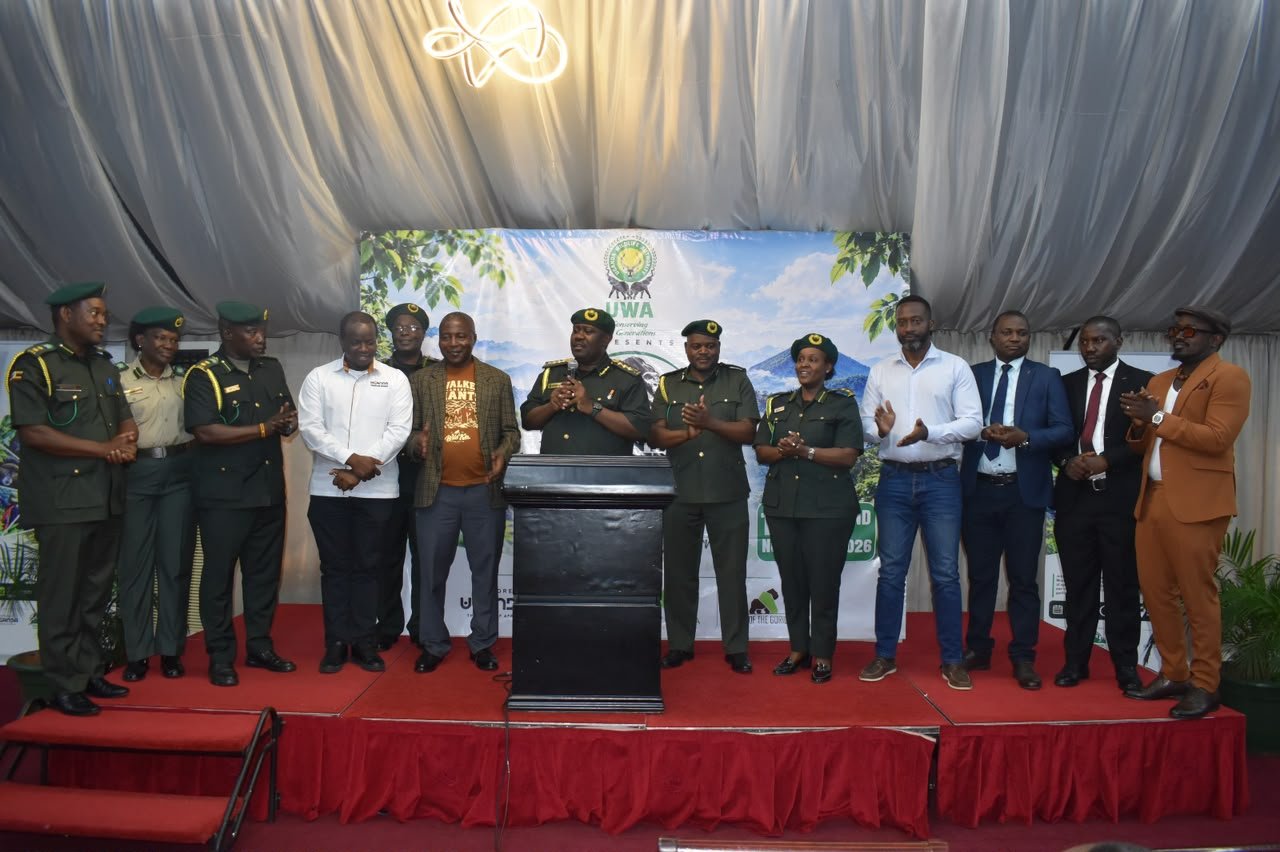
The call was made by UWA Executive Director Dr. James Musinguzi during the media launch of the first-ever Mountain Gorilla Festival, on 26th October at Sheraton Hotel. The festival is scheduled for 19–22 November 2026 in Kisoro. While the launch celebrated Uganda’s mountain gorillas and the conservation journey behind them, Musinguzi used the occasion to outline practical measures UWA and its partners are pursuing to make tourism more accessible to domestic travellers.
The festival, held under the theme “Protecting Gorillas, Empowering Communities” and the tagline “Run, Explore, Conserve,” will bring together conservationists, tourism stakeholders, communities, cultural groups, businesses, the media and visitors. To celebrate the gorillas and the communities whose livelihoods are increasingly connected to conservation.
The launch also brought together conservation and tourism partners around a shared ambition for Kigezi. The festival is expected to create space for local businesses, cultural groups, guides and community members to participate in the visitor experience. That emphasis matters because the success of gorilla tourism is measured not only by the number of people who trek into the forest, but by how much value remains with the people who live beside it.
Making Domestic Tourism Possible
For Musinguzi, encouraging Ugandans to travel is only part of the equation. The country must also create the conditions that allow them to do so. “Ugandans want to visit and travel their country, but they don’t have where to stay that they can afford,” he said. Reflecting on lessons from the recent UWA Open Park Days.

UWA is therefore looking to work with concessionaires and private investors to establish good-quality, affordable Ugandan accommodation facilities, supported by reasonably priced food. The aim is to make it possible for families to travel to national parks, stay comfortably and enjoy the experience without tourism becoming financially out of reach.
The proposed intervention is part of a broader push to deliberately promote domestic tourism through partnerships. Musinguzi called on Ugandans in the private sector to invest in national parks and help provide the accommodation, food and other services required to support a stronger domestic tourism market.
He also pointed to an idea being explored with Kira Motors. The possibility of having electric buses dedicated to weekend trips to national parks. The concept could see several buses serving destinations such as Murchison Falls and Kidepo. Giving families an affordable way to travel together, enjoy the parks, stay in reasonably priced accommodation and return home before the new working week.
Improving Access to the Gorilla Region
Accommodation, however, is only one part of the challenge. Access to southwestern Uganda also featured prominently in the ED’s plans, in response to the famous Ykee Benda's plea.
UWA is working with the Ministry of Works and Transport and Uganda Airlines to improve air access, including work on airfields that could facilitate the introduction of domestic flights to the gorilla region. Musinguzi said the government is also working on road improvements in the region, with road works expected to begin soon.
The emphasis on access is particularly significant for a destination with world-class attractions but long distances from Uganda’s main urban centres. Better roads and air connections would not only support international visitors but could make short domestic trips more realistic for Ugandan families.
Strengthening Community Benefits
The festival itself is built around the understanding that conservation cannot be separated from the wellbeing of communities living alongside protected areas.
Musinguzi stressed that when communities benefit from conservation, they become some of the strongest and most enduring guardians of wildlife. Protecting the gorilla, he said, means protecting more than a species; it means protecting an ecosystem, sustaining livelihoods, preserving natural heritage and securing opportunities for future generations.
That principle is reflected in the festival’s community programme. A community conference will be held on 19 November, alongside exhibitions where residents can showcase crafts and other products for visitors to purchase.
UWA is also exploring ways to modernise this marketplace. Tourists coming for gorilla trekking could potentially view community crafts online, place orders, have the products tagged and then receive them through shipping, rather than having to carry them as luggage. Such an approach could widen the market for local producers while making it easier for visitors to support community enterprises.
Celebrating a Conservation Success
The festival is also a celebration of the long conservation journey behind Uganda’s mountain gorillas. Commissioner for Tourism and Business Development Dorcus Rukundo noted that conservation efforts over the years have contributed to growth in gorilla numbers and have had an impact on communities around Bwindi. She said the festival is intended to celebrate these achievements while bringing people together around the gorilla story.

An estimated 2,000 people are expected in the Kigezi region for the festival. Kisoro will host the inaugural edition, with the organisers hoping to rotate the festival across the greater Kigezi region in future editions, including Kabale, Kanungu or Kihihi.
For Uganda Tourism Board, the festival presents an opportunity to position the region not only as a gorilla destination but as a place where nature, culture and community experiences come together.
Representing the CEO of Uganda Tourism Board, Daniel Irunga emphasized that tourism must go beyond attracting visitors. It should create jobs, support local communities, preserve cultural heritage and ensure that natural resources benefit both present and future generations.
She noted that the festival provides an opportunity to showcase Bwindi Impenetrable and Mgahinga National Parks and the wider Kigezi region, while encouraging visitors to stay longer and explore more of Uganda. She called on tourism operators, cultural institutions, conservation organisations, the media and local communities to embrace the festival and work together to make it meaningful for domestic and international visitors.
A Festival Rooted in Community
Mr. Kanyamunyu, an honorary UWA guide and community representative, offered a closer look at what conservation means to communities around Bwindi. He described a relationship in which local residents have become active protectors of the gorillas and the wider resource. He noted that community members can report and stop illegal activities around the park, demonstrating the level of ownership that has developed around conservation.
The festival will also see the launch of the My Gorilla Family application and the Gorilla Guardian campaign, adding new platforms for engagement around gorilla conservation.
Bringing Kisoro to the World Through Sport
The Virunga Gorilla Marathon adds another dimension to the festival, connecting conservation and tourism with sports tourism.
The marathon’s organiser, Kenneth Kamukama, traced the idea back to a hiking experience in Kisoro. After taking part in a three-mountain challenge over three days, he was struck by the beauty of the landscape and began asking how he could bring thousands more people to experience it.
That experience inspired the Virunga Gorilla Marathon, built around four pillars. Economic development of Kisoro, tourism promotion, talent and education, and an annual cause that responds to community or environmental needs. Previous editions have supported awareness around Kisoro Hospital and tree planting, while conservation remains a central concern.
The 2026 marathon will take place on 21 November and will feature several race categories, including the 112-kilometre signature ultra trail. The organisers also highlighted their connection to the International Trail Running Association and the potential of sports tourism to attract international trail runners, hikers and adventure travellers.

Building a More Resilient Tourism Industry
The interventions outlined at the launch come at a time when Uganda’s tourism sector is looking at ways to strengthen its resilience. While challenges such as negative publicity around Ebola are not entirely within the industry’s control, strengthening domestic tourism can provide an important layer of support.
The logic is straightforward, if Ugandans can travel, stay, eat, buy local products and experience protected areas at affordable rates, tourism can continue generating value even when international visitor flows face uncertainty. The Mountain Gorilla Festival therefore represents more than a four-day celebration. It brings together conservation, community enterprise, infrastructure, accommodation, transport, culture and sports tourism around one of Uganda’s strongest tourism symbols.
During the festival, gorilla trekking will also be offered at subsidised rates, with Ugandans and other East African citizens paying UGX 300,000, while international visitors will pay USD 600.
An Invitation to Kisoro
The first-ever Mountain Gorilla Festival will run from 19-22 November 2026 in Kisoro, with conferences, community activities, exhibitions, tourism experiences and the Virunga Gorilla Marathon forming part of the programme. As UWA works to improve accommodation, transport and access, and communities continue to participate in conservation, the festival offers a glimpse of a different approach to tourism development. One where protecting nature and growing local economies are not competing objectives.
Kisoro is ready to welcome the world.
Run. Explore. Conserve.
Recent Publications
 Official
GITA-Africa Spreads Its Wings Beyond Uganda
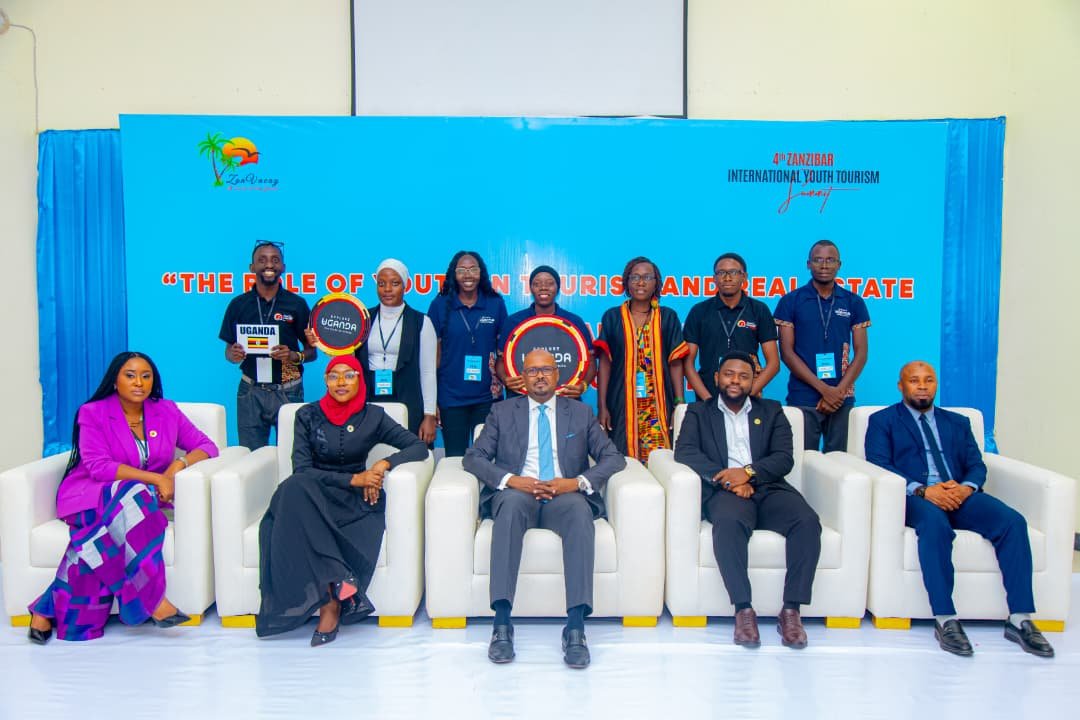
Our goal is to create a stronger African youth tourism network where young people can learn from one another, share opportunities, access training and mentorship, collaborate on projects, explore destinations and create businesses together. At the same time, we want to contribute to the promotion of African destinations collectively. Uganda should benefit from Zanzibar's networks, just as Zanzibar can benefit from Uganda's tourism products and young people.
 Official
GITA-Africa Officially Launches to Empower Girls Through Tourism
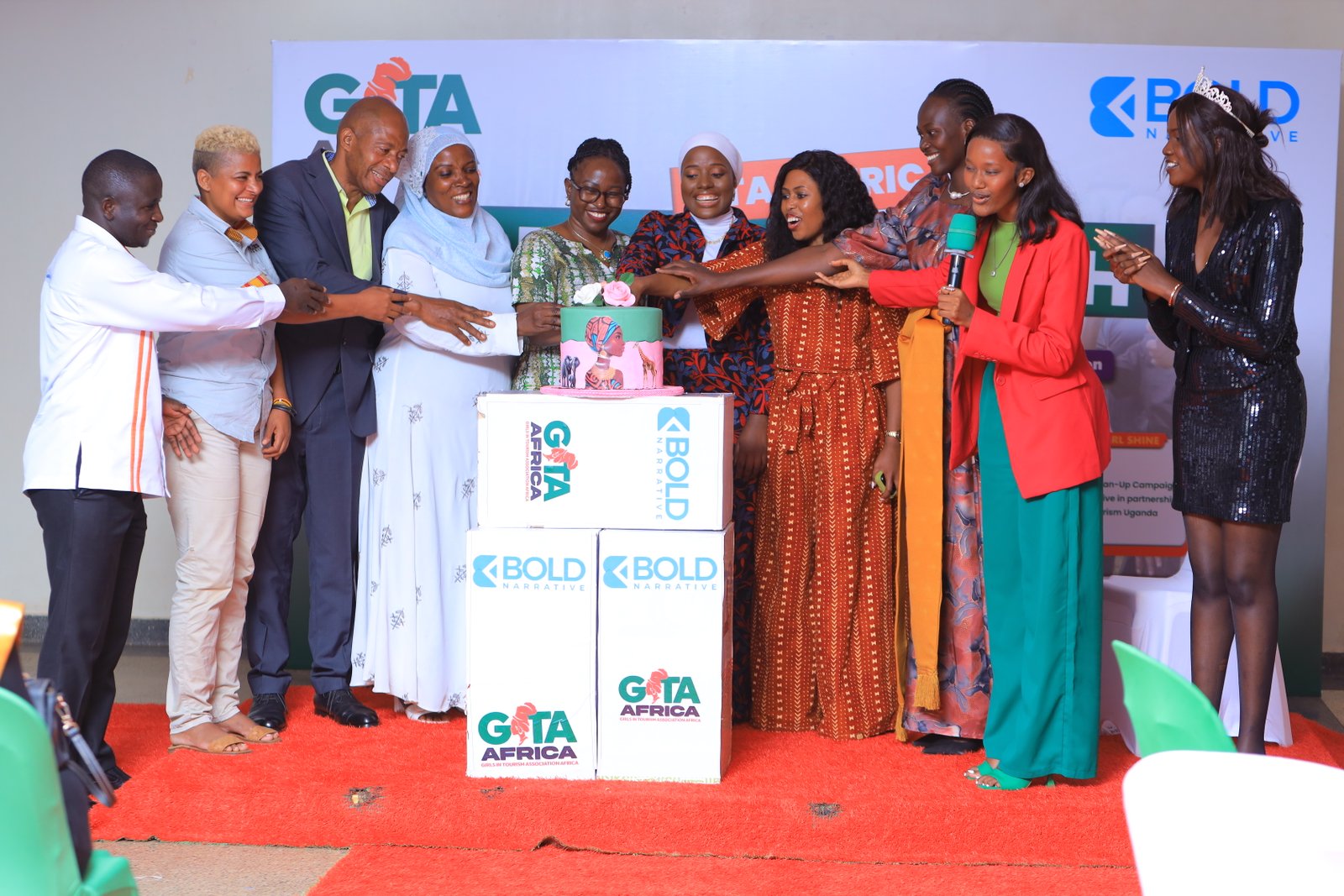
The Girls in Tourism Association - Africa (GITA-Africa) was officially launched on 24th April 2026 at the Buganda Heritage and Tourism Board Conference Hall in Kampala, marking the beginning of a new platform dedicated to empowering girls and young women through tourism.
 Official
Empowering Young Women in East Africa through Sustainable Tourism
Discover how GITA-Africa is creating accredited training pathways and leadership roles for girls in wildlife conservation and hospitality.